Psychology in an emergency: Science Weekly podcast

Loading player...
As the bushfires continue to rage across Australia, thousands of people have ended up face to face with the emergency. It’s hard to imagine how you would behave in a disaster like this. Would you panic? Or act quickly and be organised? More than 50 years of psychological and sociological evidence covering mass emergencies shows that people typically behave with cooperation and coordination. Nicola Davis speaks to John Drury, professor of social psychology at the University of Sussex, about why this is, and hears from Guardian Australia’s deputy culture editor, Stephanie Convery, about the fires. Help support our independent journalism at theguardian.com/sciencepod
17 Jan 2020 English United Kingdom Science · Nature

Other recent episodes

The ultra rich are collecting fossils, and that’s bad for science

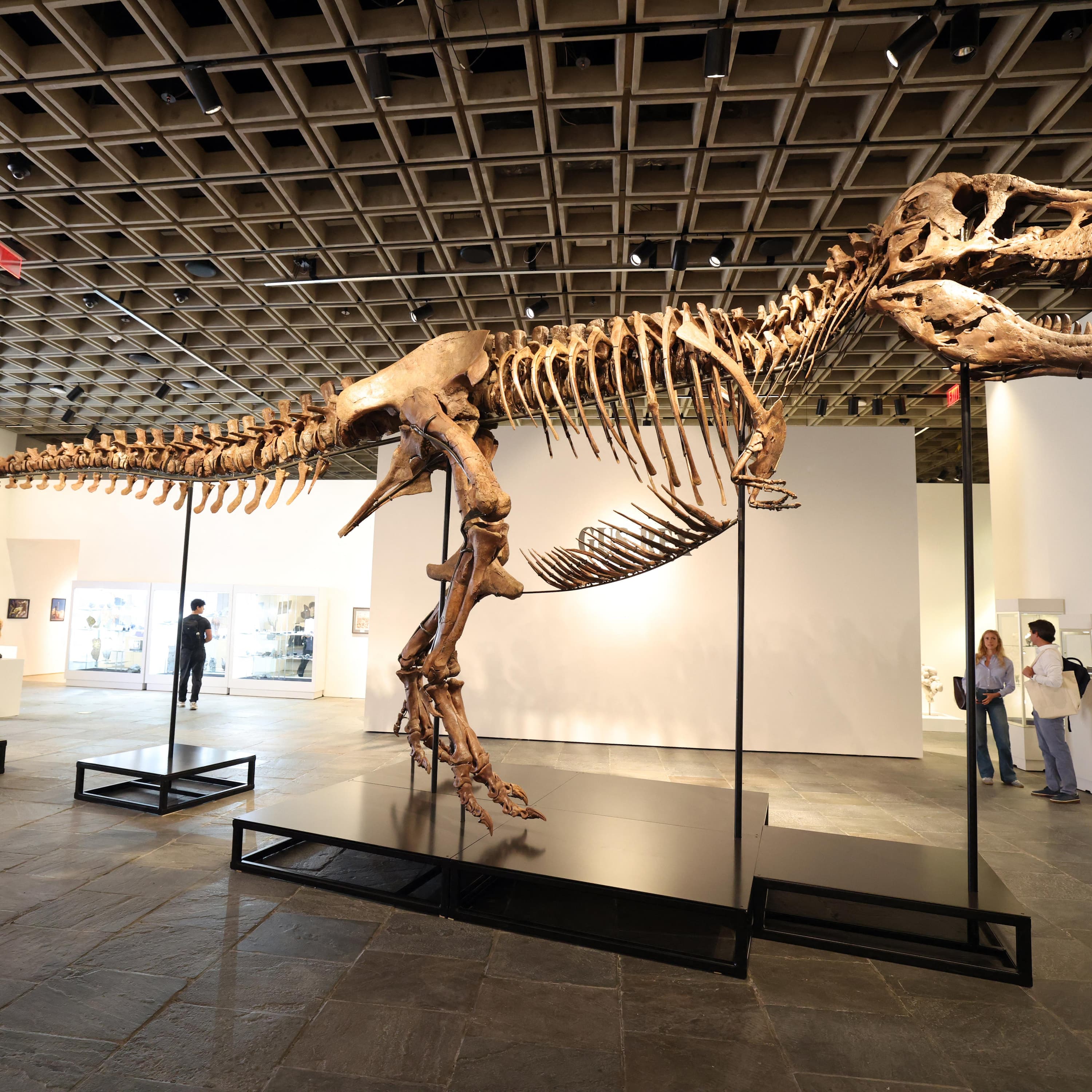
One of the UK’s best fossil collections has been sold overseas in what experts have called a loss to the nation. The collection, which is now on display at the Natural History Museum in Abu Dhabi, was gathered on Dorset’s Jurassic Coast. As dinosaur fossils sell to private collectors for…
18 Aug 14 min

The immortal jellyfish and other mindblowing invertebrates

Each year the Guardian runs a competition to find the invertebrate of the year. To find out more about the 2026 nominees science editor Ian Sample hears from climate reporter Petra Stock, environment reporter Oliver Milman and Science Weekly co-host Madeleine Finlay. They each nominate an incredible invertebrate that you…
13 Aug 15 min

We’re reading less. And it’s making us stupid

Books have never been trendier, but studies show that as more and more things compete for our frazzled attention spans, we’re reading less and less. This is a problem because reading has a wealth of cognitive benefits that we’re in danger of missing out on. To find out why declining…
11 Aug 19 min

The Wildlife Trusts’ fight to save a historic English landscape

Madeleine Finlay travels to the Rothbury estate in Northumberland, in north-east England. It’s a piece of land that has been in the same family for 700 years, but now it has been put up for sale and the UK’s Wildlife Trusts are trying to raise £30m to secure it intact…
4 Aug 16 min